Chasing the Northern Lights Across Remote Arctic Canada

Welcome to a journey built around Northern Lights and Remote Arctic Canada Tours You Can Reserve Online. Discover how to plan, book, and savor nights under dancing green curtains, with trusted operators, smart packing, cultural respect, and safety-first decisions. Share questions in the comments, subscribe for field updates, and pick your next aurora camp with confidence, even if it’s your very first winter north of the treeline.

Understanding the Aurora: Science, Seasons, and Sky

The Northern Lights appear when solar particles funnel along Earth’s magnetic field and collide with atmospheric gases, painting the sky in shifting greens, purples, and occasional reds. In Arctic Canada, the auroral oval hovers overhead, creating unusually frequent displays. The darkest months and clearest skies improve your odds, but patience, layered clothing, and a touch of wonder are just as important. Learn how solar cycles, moon phases, and local weather shape the spectacle you’ll witness.

Where the Lights Shine Brightest

Yellowknife in the Northwest Territories, Whitehorse and Dawson City in Yukon, and Churchill in Manitoba consistently deliver high success rates thanks to their latitude, clear winter nights, and dependable viewing infrastructure. Farther north, Inuvik, Tuktoyaktuk, and communities across Nunavut offer raw, powerful displays with minimal light pollution. Each location brings different landscapes—boreal forest, tundra, river deltas, sea ice—framing the sky’s show. Choose based on travel ease, local guides, cultural experiences, and your comfort with extreme cold.

Timing for Peak Displays

Late August through April brings long, dark nights, while the equinox months—September and March—often deliver particularly active aurora due to geomagnetic conditions. Aim for windows between 9 p.m. and 2 a.m., avoid full moons when possible, and give yourself several nights to ride out cloud cover. During Solar Cycle peaks, storms intensify and push curtains southward. Even without dramatic forecasts, quieter arcs can suddenly explode into radiant pillars, rewarding patience and warm boots.

Forecasts and Patience

Kp index, Bz direction, solar wind speed, and cloud cover models are helpful, but the sky can defy every chart. Check AuroraWatch, NOAA, and local guide briefings, then commit to stepping outside regularly, even when predictions dip. Many unforgettable shows begin as faint smudges before erupting into sweeping coronas. Bring a thermos, walk a short distance from camp lights, and set realistic expectations. The waiting, shared laughter, and cold-nose excitement often become your favorite memories.

Booking Remote Arctic Tours Online, Safely and Smart

The simplest path to unforgettable nights is finding reputable operators and reserving securely online. Compare certifications, safety protocols, small-group sizes, and transparent inclusions such as winter clothing, hot drinks, and photography support. Favor companies that partner with local communities and publish clear cancellation terms. Confirm communication methods, backup plans, and what happens if weather grounds your plans. A thoughtful booking now leads to fewer surprises later, so you can focus on the sky, not logistics.

Comparing Operators Efficiently

Scan operator pages for guide-to-guest ratios, emergency training, Indigenous partnerships, and permits for visiting sensitive areas. Look for detailed itineraries with exact pickup times, drive distances, and warm-up shelters. Message questions before booking to test responsiveness and clarity. Ask about cold-weather gear rentals, photographic coaching, and alternate viewing sites if clouds roll in. Operators who answer promptly, provide specifics, and embrace safety are more likely to deliver relaxed, awe-filled nights under a cooperative sky.

Clear Payments and Cancellations

Review deposit amounts, partial refunds, and weather contingencies before clicking pay. Confirm currency (often CAD), payment gateway security, and whether your card offers trip protections. A strong policy outlines how rebooking works during storms, and how operator-initiated cancellations are handled. Consider third-party travel insurance for flights and accommodations. Save screenshots of receipts, terms, and contact details. Clear financial expectations reduce stress if weather changes plans, leaving you focused on warmth, comfort, and the next promising forecast window.

Gear Up for Polar Nights

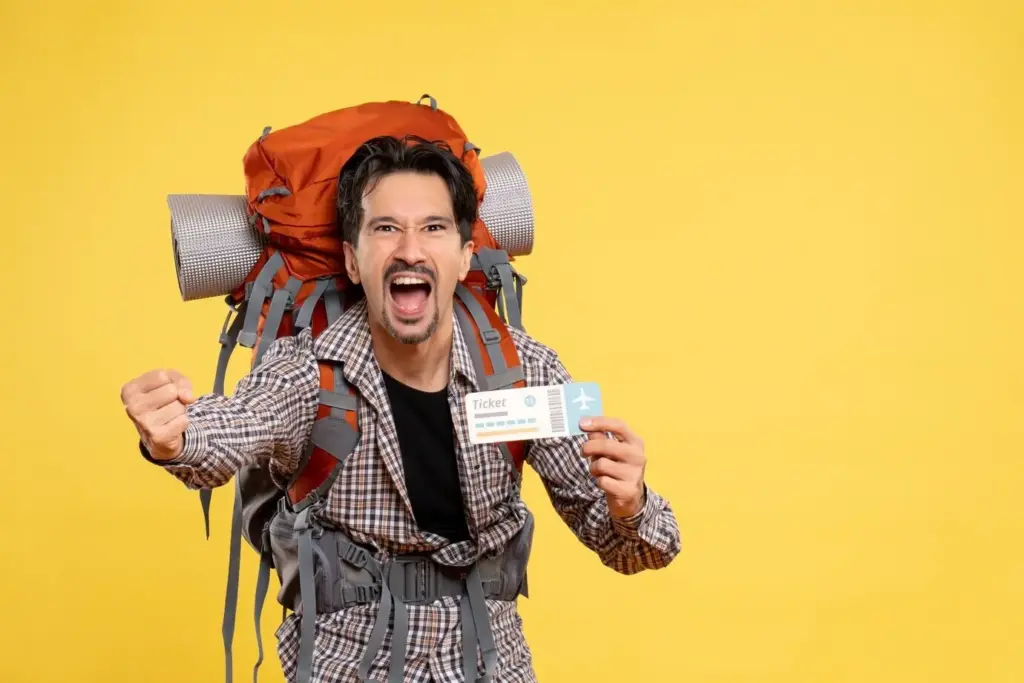
Perfect packing transforms a long, frigid wait into a joyful vigil. Dress in breathable layers, protect extremities, and keep batteries warm. A simple, sturdy tripod and basic camera skills can capture astonishing images. Bring snacks, headlamps with red light, and hand warmers. Confirm rental options for parkas and boots if you’re flying light. The right gear keeps you comfortable enough to watch subtle arcs grow, ripple, and suddenly fill the entire sky with luminous movement.

Communities, Culture, and Respect

Being a Thoughtful Guest

Arrive ready to listen, learn, and adapt. Ask permission before entering private spaces or photographing people, and follow footwear customs when stepping indoors. Be punctual for pickups in challenging weather. Learn a few local greetings, and accept that plans may shift for safety or community needs. When guides share stories about land and ancestors, treat them as gifts, not souvenirs. That humility builds connection, turning a beautiful night sky into a deeper, human encounter you will carry home.

Buying Local with Purpose

Support artists and outfitters by purchasing directly from co-ops and small shops that label materials and provenance clearly. Look for authenticity tags, understand regional regulations, and respect cultural significance behind designs. Pack breakables carefully or use shipping services offered by galleries. Avoid aggressive bargaining; pay fairly for handwork informed by generations of knowledge. Each thoughtful purchase keeps skills alive, benefits families, and gives you a lasting reminder that glows long after your last auroral photograph fades.

Night Photography Etiquette

Bright flashes ruin night vision and can intrude on someone’s quiet moment, so use red headlamp modes and communicate before lighting a scene. Ask before placing others in your frame, and never post identifiable images of community members without consent. Some sites restrict drones; always verify permits. Space out tripods, share vantage points, and keep noise low. Respect the sanctity of cold, starry silence, where breath crystallizes and the sky seems to speak in slow, shimmering sentences.

Logistics at the Edge of the Map

Routes and Airlines

Air Canada and WestJet connect many travelers to Yellowknife and Whitehorse, while airlines such as Canadian North, Air North, and Calm Air serve northern communities and Churchill. Check seasonal schedules, weight limits for winter gear, and baggage fees before booking. When connections are tight, consider overnighting at the hub to buffer against snow delays. Keep essentials and one warm layer in your carry-on. A calm, planned approach turns complex routing into a smooth ascent toward crisp, starlit horizons.

Stays That Keep You Warm

Choose accommodations that balance comfort with proximity to dark skies. Options include downtown hotels with warm pickups, rustic cabins near treelines, aurora domes with panoramic windows, and rural lodges offering hearty meals and gear drying rooms. Ask about wake-up calls for sudden activity and quiet hours for rest. Verify heating systems, backup power, and indoor spaces for camera prep. A well-run base invites you to step outside, marvel, warm up, and step out again when curtains intensify.

Buffer Days and Daytime Joy

Add at least two extra nights to outsmart clouds and wind. Between aurora hunts, fill days with dog sledding, ice road tours, fat biking, museums, Indigenous craft workshops, or thawing out at Yukon’s nearby hot springs. Ask guides about safe ice caves or scenic viewpoints when conditions allow. Flexible plans transform weather into variety. If a storm steals one night, another often dazzles. That rhythm—try, rest, learn, repeat—makes success feel earned and memories exceptionally durable.

Safety, Environment, and Confidence

{{SECTION_SUBTITLE}}

Cold Management and Comfort

Recognize early signs of frostnip—tingling, pale patches—and rewarm gradually. Adjust layers to prevent sweat buildup, which chills you later. Sip hot drinks, snack often, and check on companions. Cover exposed skin when winds rise, and tuck scarves to block drafts. Keep toes wiggling inside roomy boots, not cramped. A disciplined, calm approach to cold elevates comfort, extends your viewing window, and lets you stay outside long enough to catch the night’s most electric moments.

Wildlife Awareness and Protocols

In some regions, polar bears require strict precautions. Guides may employ monitors, designated safe zones, or bear-detection patrols. Never approach or feed wildlife—foxes, ptarmigan, or caribou. Maintain respectful distances, pack scented items securely, and follow every instruction immediately. Noise and bright lights may be restricted to minimize disturbance. Wildlife encounters should be rare, safe, and humbly observed. You are a visitor in their world, and thoughtful behavior ensures both your protection and their continued well-being.
Mozofanamunakixopizupi
Privacy Overview

This website uses cookies so that we can provide you with the best user experience possible. Cookie information is stored in your browser and performs functions such as recognising you when you return to our website and helping our team to understand which sections of the website you find most interesting and useful.